Bringing a new life into the world is a miraculous journey filled with excitement, anticipation, and responsibility. From the moment of conception, the health and well-being of both mother and baby become paramount. One of the most crucial aspects of ensuring a healthy pregnancy is diligent baby monitoring. This process involves regular check-ups, diagnostic tests, and attentive observation of fetal development. The importance of baby monitoring during pregnancy cannot be overstated, as it provides invaluable insights into the progression of pregnancy and the early detection of any potential complications.
Early Detection of Issues:
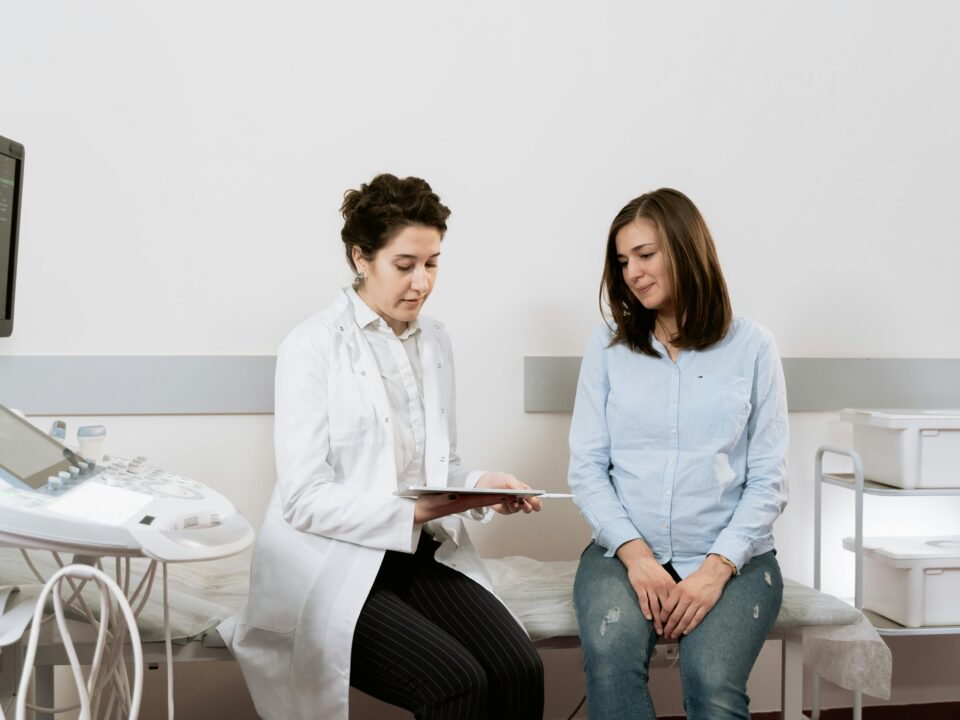
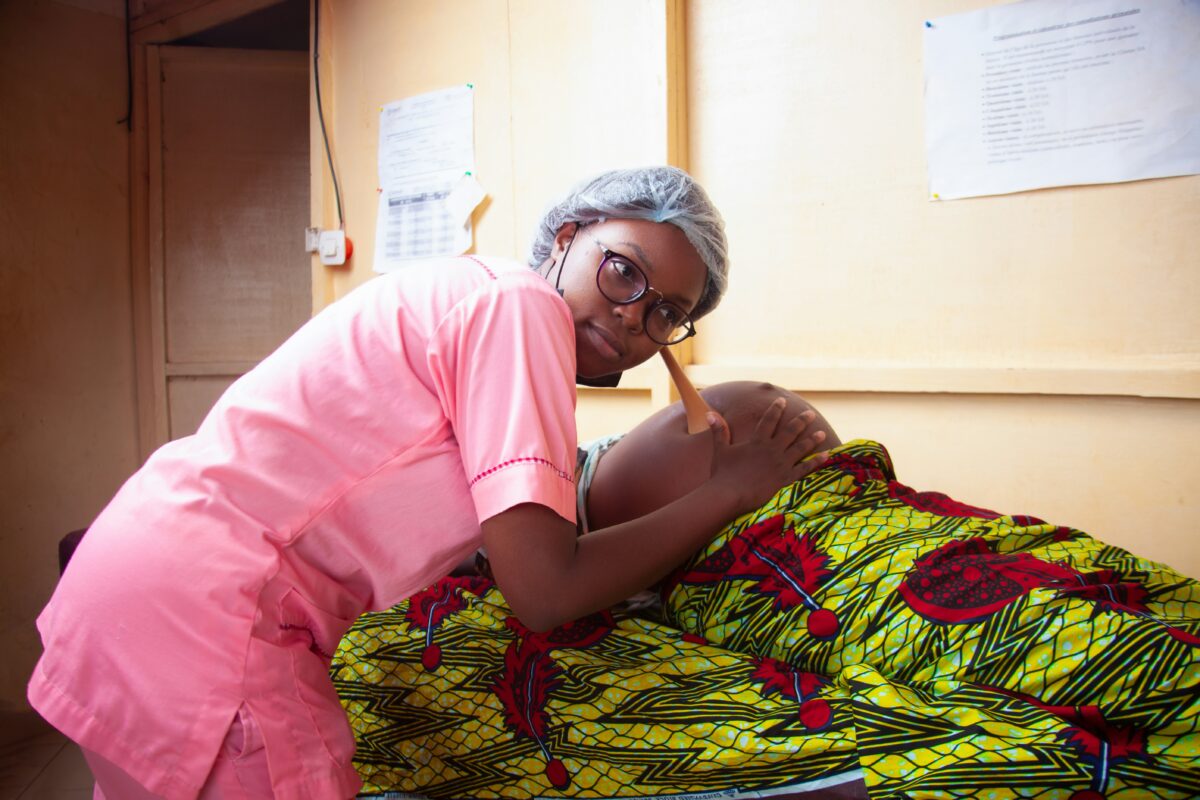
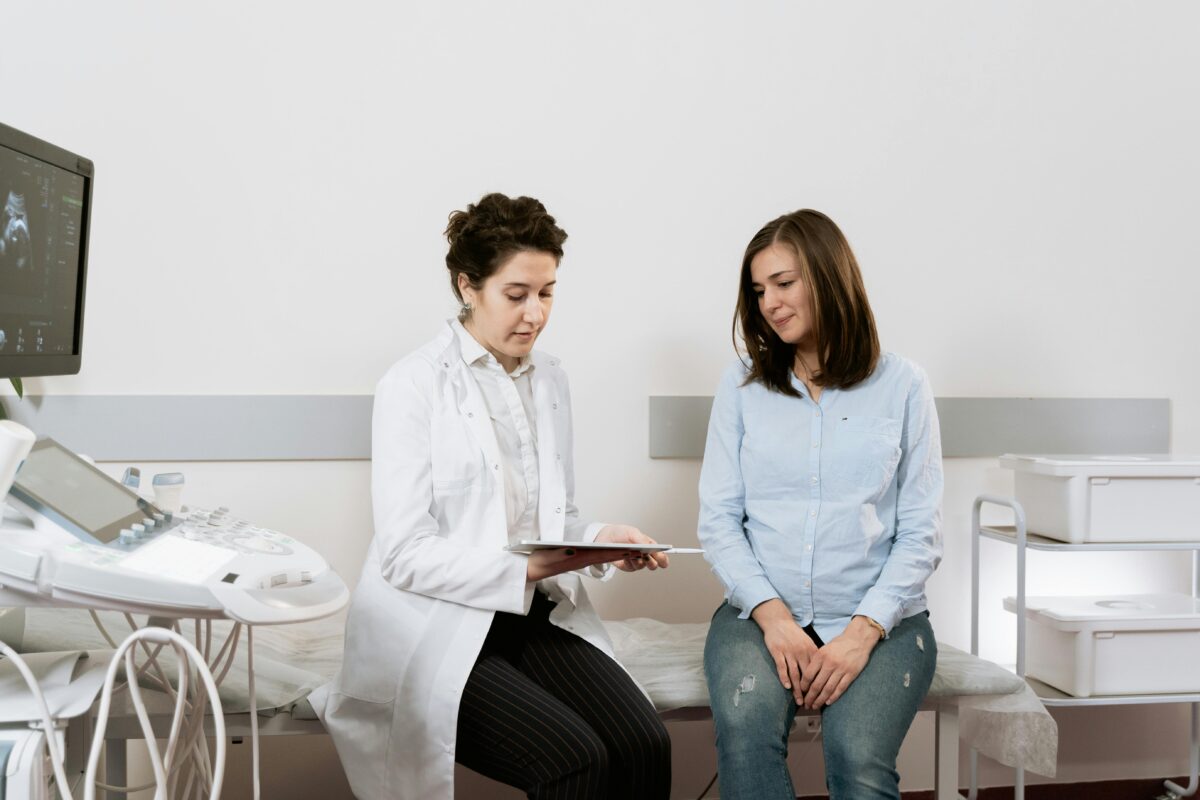
Baby monitoring during pregnancy allows healthcare professionals to closely monitor the growth and development of the fetus. Through routine ultrasounds, fetal heart rate monitoring, and other diagnostic tests, any abnormalities or concerns can be identified early on. This early detection enables healthcare providers to take necessary interventions or treatments to address issues promptly, thereby reducing the risk of complications for both the mother and the baby.
Monitoring Maternal Health:
In addition to monitoring the baby’s well-being, baby monitoring during pregnancy also involves assessing the health of the mother. Regular prenatal visits provide an opportunity for healthcare providers to monitor vital signs, track weight gain, screen for gestational diabetes, hypertension, or other maternal health conditions. Addressing maternal health concerns promptly is essential for ensuring a safe and healthy pregnancy outcome.
Emotional Support and Reassurance:
Pregnancy can be a time of heightened emotions and anxiety for expectant parents. Baby monitoring not only provides valuable medical information but also offers emotional support and reassurance. Hearing the baby’s heartbeat or seeing their movements during an ultrasound can be incredibly reassuring for parents, strengthening the bond between them and their unborn child.
Risk Assessment and Management:
Certain pregnancies may be considered high-risk due to factors such as maternal age, medical history, or complications identified during prenatal screening. Baby monitoring plays a critical role in assessing and managing these risks. Close monitoring allows healthcare providers to tailor care plans to meet the specific needs of high-risk pregnancies, minimizing potential complications and optimizing outcomes.
Facilitating Informed Decision-Making:
Throughout pregnancy, expectant parents may be faced with various decisions regarding their prenatal care, delivery options, and potential interventions. Baby monitoring provides essential information that empowers parents to make informed decisions in collaboration with their healthcare team. Whether it involves choosing between different screening tests, discussing birth preferences, or considering medical interventions, having access to accurate and up-to-date information is key.
Promoting Bonding and Parental Involvement:
Baby monitoring during pregnancy also serves as an opportunity for expectant parents to actively engage in their journey to parenthood. Attending prenatal appointments, participating in ultrasound sessions, and learning about fetal development foster a sense of connection and involvement in the pregnancy experience. This bonding process not only strengthens the relationship between parents and their unborn child but also lays the foundation for nurturing caregiving once the baby is born.
In conclusion, the importance of baby monitoring during pregnancy cannot be overstated. From early detection of issues and monitoring maternal health to providing emotional support and facilitating informed decision-making, baby monitoring plays a vital role in ensuring the well-being of both mother and baby. By prioritizing regular prenatal care and active participation in baby monitoring, expectant parents can enhance the likelihood of a healthy pregnancy and a positive birth experience.

View our Janitri monitoring range.